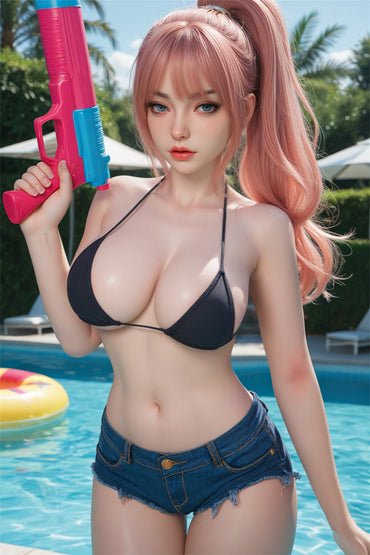
Financing Your Fantasy: Which Sex Doll Brands Offer Payment Plans?
If you’re eyeing a life-size doll but your wallet says otherwise, you’re not alone. Many brands now offer payment plans or financing options to help you get what’s on your mind.
 |
- Flexible payment options are available.
- Affordability can increase accessibility.
- Research financing terms before committing.
Top Brands Offering Financing
1. BestLoveSexDoll
They provide financing through third-party services, allowing you to break down the cost into manageable monthly payments. For a quick cross-check, buy sex dolls in Liege, Belgium is worth a look.
2. Other Notable Brands
Many popular brands offer similar solutions, so checking their websites for payment plans can be beneficial.
Key Things to Keep in Mind
- Check the interest rates associated with financing.
- Read the fine print on payment terms.
- Look at customer reviews regarding the financing experience.
Frequently Asked Questions
Are there any hidden fees with payment plans?
Many brands are transparent, but make sure to read the terms closely to avoid surprises. If you’re comparing options, buy sex dolls in Grenoble, France can help.
What’s the typical down payment required?
It varies by brand; some may require a percentage upfront, while others may have lower or no down payments.
Can I pay off my financing early?
Most brands allow for early payoff, but check if any penalties apply.
Exploring flexible financing options can make enjoying a sex doll more attainable. It’s worth doing your homework to find the best fit for your budget.
In practice, a short comparison usually helps more than a long list. You can also realistic sex dolls collection.